How long does it really take to reach the open Gulf from Placida by boat? If you love quick runs to the beach or a morning fish through Boca Grande Pass, timing matters. You want a simple, realistic answer you can use to plan your day and even evaluate a future dock or slip. Below you will find typical underway times from common Placida starting points, the simple formula to estimate your own run, and the key factors that can speed you up or slow you down. Let’s dive in.
Quick trip-time snapshots
Below are realistic underway time ranges to the open Gulf just outside Boca Grande Pass. These do not include launch or docking prep. Times vary with exact start point, conditions, and no-wake zones.
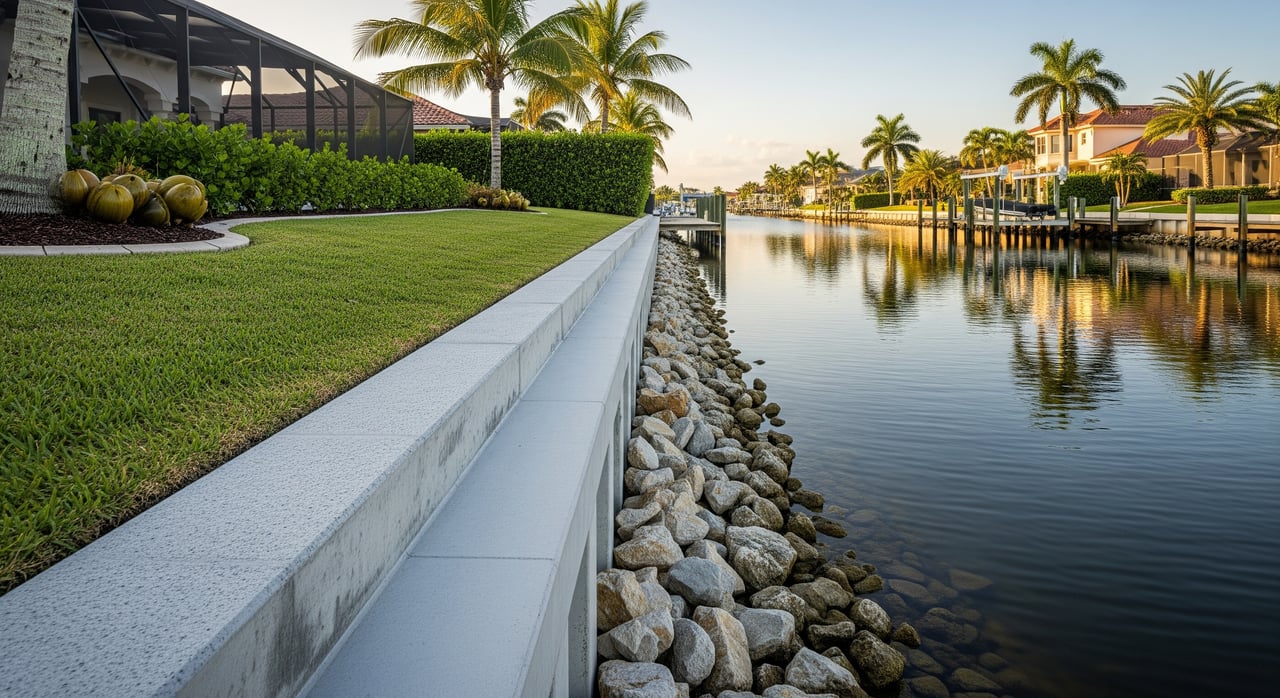
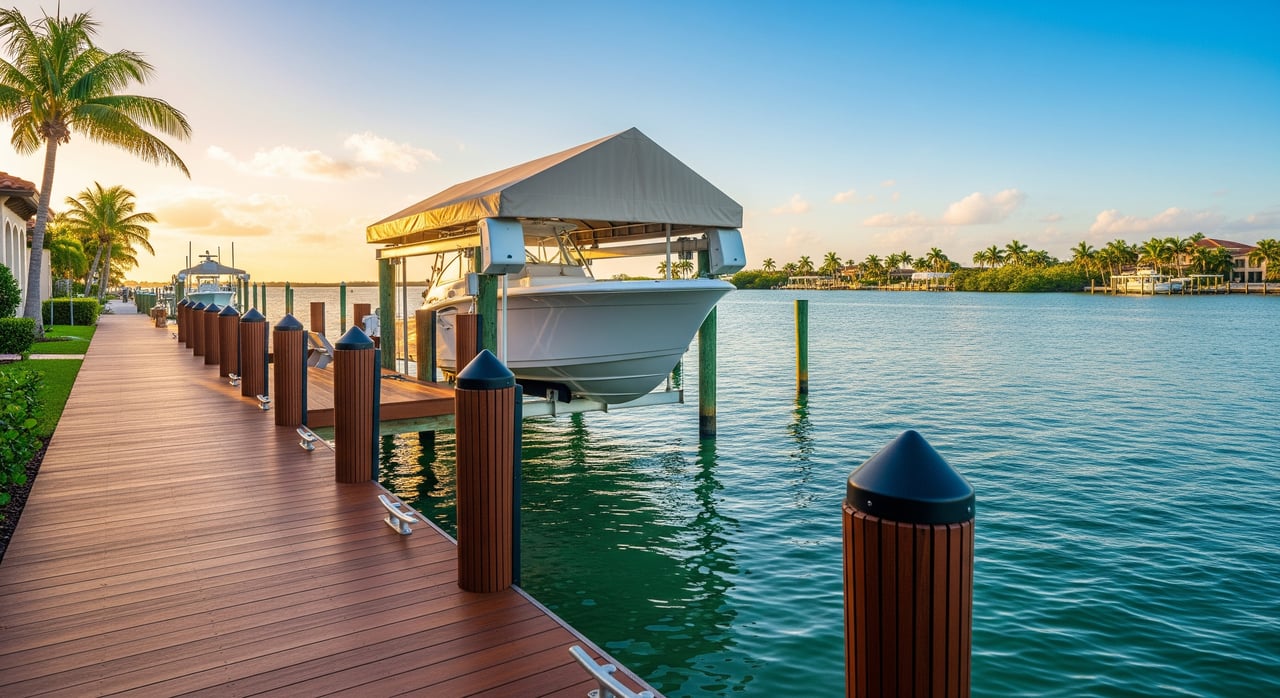
Backyard canal start
- Slow cruise at 8 kn: about 35 to 70 minutes
- Comfortable cruise at 15 kn: about 20 to 40 minutes
- Fast transit at 25 kn: about 15 to 25 minutes
Why this range: Many Placida canals open into Gasparilla Sound within about 0.25 to 1.0 nautical miles, often in no-wake. From there, the run through Gasparilla Sound and out Boca Grande Pass to the Gulf is typically another ~4 to 8 nautical miles. Your canal distance, posted speed zones, and traffic set the tone for the day.
Public ramp near Placida/harbor
- Slow cruise at 8 kn: about 45 minutes for a 6 nm run, or 30 minutes for a 4 nm run
- Comfortable cruise at 15 kn: about 24 minutes (6 nm) or 16 minutes (4 nm)
- Fast transit at 25 kn: about 14 to 15 minutes (6 nm) or 10 minutes (4 nm)
Add staging time for trailering. Launching, parking, and loading often add 15 to 30+ minutes before you are underway, especially in peak season and on weekends.
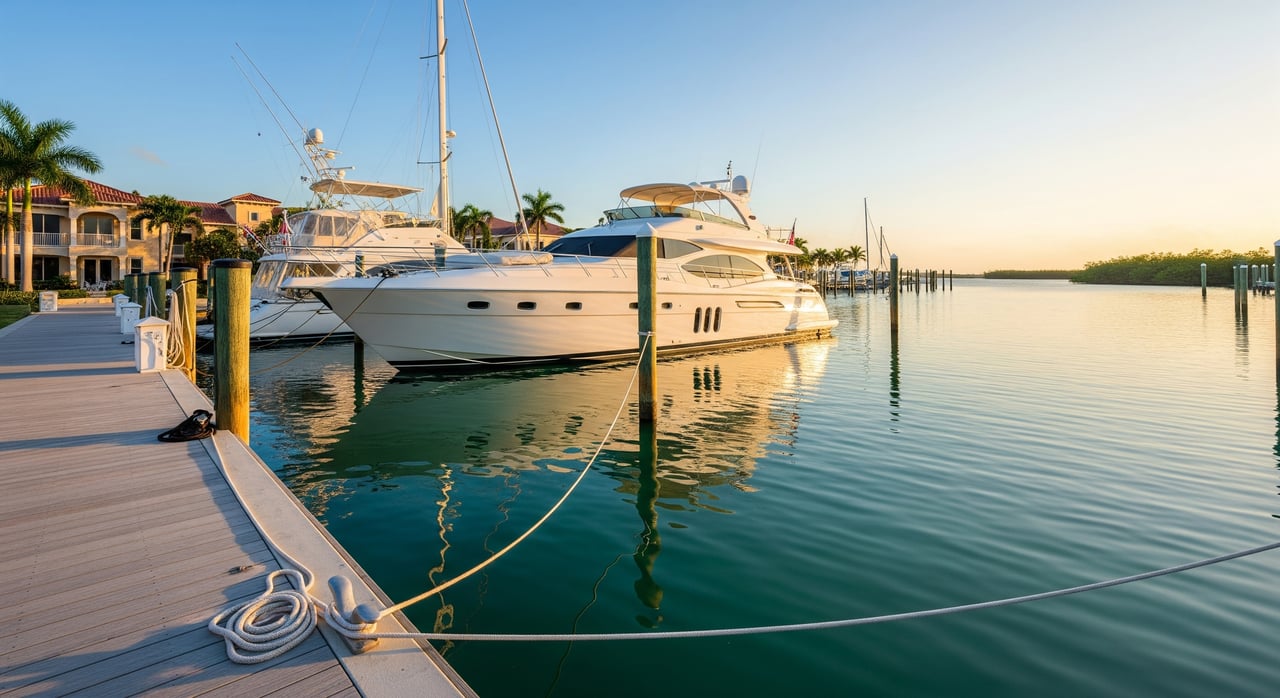
Marina near the causeway/main channel
- Slow cruise at 8 kn: about 30 to 45 minutes
- Comfortable cruise at 15 kn: about 16 to 24 minutes
- Fast transit at 25 kn: about 10 to 15 minutes
These marinas often sit closest to the main marked channel, which reduces no-wake sections and shortens the run to Boca Grande Pass.
How to estimate your own time
Use this simple formula to estimate underway time, then add minutes for no-wake, traffic, and launch/docking.
- Formula: Minutes = (nautical miles ÷ speed in knots) × 60
Worked example:
- If your run from a Placida marina to the Gulf is 6 nm and you cruise at 15 kn, your time is: (6 ÷ 15) × 60 = 24 minutes underway. If you must idle 0.5 nm to reach the channel at about 6 kn, add roughly 5 minutes. Total underway time is about 29 minutes before factoring in traffic and sea state.
What affects your trip time
Tides and currents at Boca Grande Pass
Boca Grande Pass can run strong on peak flood and ebb. A 2 to 3 knot current can noticeably change your speed over ground, either giving you a boost or slowing you down. Plan pass transits near slack or with a favorable current, especially in smaller or lower powered boats. Check NOAA tide predictions and apply local current tables for the Charlotte Harbor area before you go.
Shoaling and sea state near the pass
Natural passes shift. Shoaling can change channel alignment and reduce depth, which can slow you down as you follow the buoys and give yourself room. Sea state outside the pass is often rougher than in Gasparilla Sound, which can also reduce safe speed. Review U.S. Coast Guard Local Notices to Mariners for any aids-to-navigation changes or shoaling advisories, and use up-to-date NOAA nautical charts.
No-wake zones and local rules
Many residential canals and marina approaches are posted no-wake or idle speed. These zones often extend into nearshore channels. Always follow posted signage and local ordinances. For statewide rules and safety requirements, see Florida FWC boating regulations. Build these slow sections into your timing, especially when leaving a backyard dock.
Traffic and seasonal congestion
Expect more boats in winter peak season, holiday weeks, and sunny summer weekends. You may reduce speed in tight channels, wait for openings near the pass, or add time for careful passing. Congestion also lengthens ramp launch times and parking during busy mornings.
Weather and visibility
Afternoon sea breezes, squalls, and occasional fog can slow your run or delay your start. Check the forecast and expect different conditions outside the pass than inside Charlotte Harbor and Gasparilla Sound.
Boat type and draft
Fast center consoles and runabouts cover distance quickly. Trawlers and sailboats move slower and often stay in the marked channel, which can add time. Draft matters. Shallow-draft boats may take more direct routes across flats in fair conditions, while deeper draft boats keep to the channel.
Placida routes in plain language
- Main Gulf route: From Placida’s canals and basins, you typically enter Gasparilla Sound, run southwest toward the marked approach, and exit to the Gulf through Boca Grande Pass.
- Distance touchpoints: From Placida ramps or harbor areas to the pass approach is often 3 to 6 nm. From Placida through the pass to open Gulf water just outside the pass is often 4 to 8 nm. Canal exits add ~0.25 to 1.0 nm, usually no-wake.
- Why times vary: Your exact dock location, posted slow zones, pass current, and weekend traffic all stack up. Use the formula, then add buffer time.
Practical tips for buyers and owners
- Slip vs. trailer: A slip near the main channel gives the fastest Gulf access. Trailering adds 15 to 30+ minutes for launch and parking before you ever throttle up.
- Fuel and service: Quick fuel access and basic services at nearby marinas reduce delay on frequent Gulf runs. Confirm fuel availability and hours before you plan a long day offshore or repeated beach hops.
- Ramp timing: Arrive early during high season or on holidays. Parking can fill, and lines can add 10 to 30+ minutes.
- Safety margins: Plan around slack or favorable current windows at Boca Grande Pass. Add time for unexpected slowdowns and always have a turn-back plan if sea state changes.
- Lifestyle alignment: If “quick Gulf access” is a must-have, verify the exact distance from your prospective dock or slip to the main marked channel and ask neighbors or marina staff about typical transit times and seasonal congestion. Small differences in location can save you many minutes each trip.
Quick pre-trip checklist
- Check tides and pass current, target slack or a favorable window.
- Review latest chart updates and any Local Notice to Mariners.
- Confirm fuel level, safety gear, and VHF.
- Note posted no-wake zones on your route.
- Scan the forecast for wind shifts, storms, or fog.
- Plan launch or parking timing in peak season.
- Build a buffer. Do not plan to arrive at the pass on a tight schedule.
Ready to pair the boating lifestyle with technical confidence? With a marine construction consultant on staff, we help you evaluate lift capacity, seawalls, canal depths, and real-world run times so your Placida home fits your boat and your day. For clear answers and a calm, high-touch process, connect with Tamina Aratari.
FAQs
How long does it take from Placida to the Gulf via Boca Grande Pass?
- Typical underway times from Placida ramps or marinas to the pass approach are 10 to 30 minutes depending on speed and start point, and reaching open Gulf just outside the pass often totals 15 to 45 minutes, with backyard canals adding several no-wake minutes.
Should I plan my run around tides at Boca Grande Pass?
- Yes, especially for smaller or lower powered boats; strong flood or ebb currents can reach 2 to 3 knots, which affects speed, handling, and safety, so aim for slack or a favorable current using NOAA tide predictions.
Where can I check for shoaling or channel changes near Boca Grande Pass?
- Review U.S. Coast Guard Local Notices to Mariners for the latest advisories and use updated NOAA nautical charts to follow marked channels and any temporary buoy shifts.
How do no-wake zones in Placida affect my timing to the Gulf?
- Residential canals and marina approaches are often posted no-wake; a 0.25 to 1.0 nm idle section can add several minutes before you reach open water where you can accelerate.
What slows most Gulf-bound trips from Placida?
- The biggest factors are no-wake canals, an opposing tidal current in the pass, shoaling that requires cautious navigation, and seasonal congestion that reduces safe passing speed and adds waiting time.